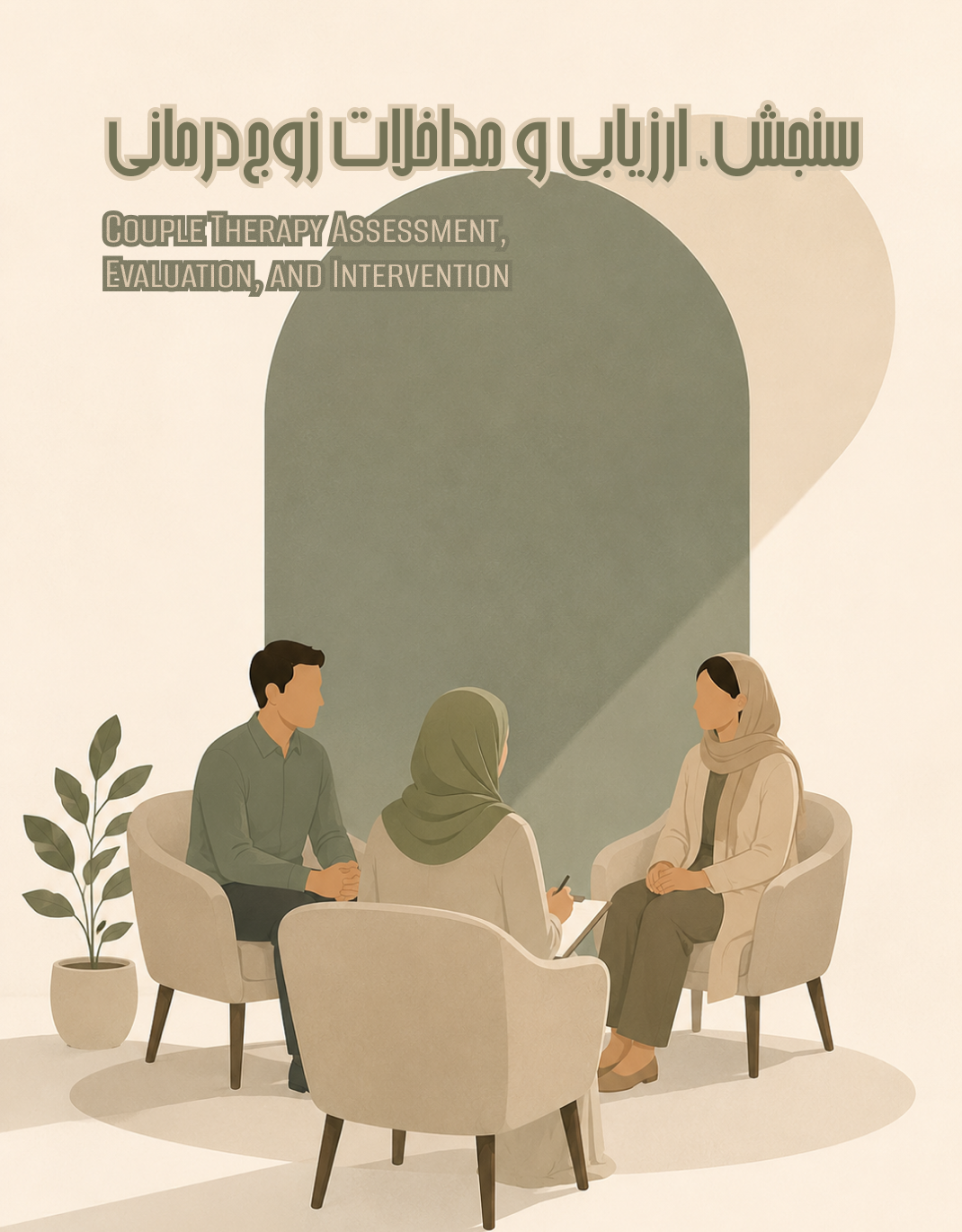
اثربخشی زوجدرمانی متمرکز بر خشونت خانگی بر احساس گناه، دلزدگی زناشویی و تنظیم هیجان در زنان آسیبدیده از خشونت خانگی شهر دزفول
کلمات کلیدی:
احساس گناه, تنظیم هیجان, خشونت خانگی, دلزدگی زناشویی, زوجدرمانیچکیده
پژوهش حاضر با هدف تعیین اثربخشی زوجدرمانی متمرکز بر خشونت خانگی بر احساس گناه، دلزدگی زناشویی و تنظیم هیجان در زنان آسیبدیده از خشونت خانگی شهر دزفول انجام شد. پژوهش حاضر نیمهآزمایشی با طرح پیشآزمون–پسآزمون و گروه کنترل بود. جامعه آماری شامل زنان آسیبدیده از خشونت خانگی مراجعهکننده به دو مرکز روانشناختی شهر دزفول در سال 1405 بود که از میان آنان 30 نفر به روش نمونهگیری در دسترس انتخاب و بهصورت تصادفی در گروه آزمایش و کنترل، هر کدام 15 نفر، گمارده شدند. گروه آزمایش زوجدرمانی متمرکز بر خشونت خانگی مبتنی بر پروتکل استیس و همکاران را طی 12 جلسه 90 دقیقهای هفتگی دریافت کرد، درحالیکه گروه کنترل مداخلهای دریافت نکرد. دادهها با استفاده از پرسشنامه احساس گناه کوگلر و جونز، مقیاس دلزدگی زناشویی پاینز و پرسشنامه تنظیم هیجان گراس و جان گردآوری و با تحلیل کوواریانس چندمتغیره و تکمتغیره در نرمافزار SPSS نسخه 26 تحلیل شدند. نتایج تحلیل کوواریانس چندمتغیره نشان داد اثر کلی عضویت گروهی بر ترکیب متغیرهای وابسته معنادار بود (Wilks’ λ=0.031, F=240.55, p<0.001, η²=0.95). پس از کنترل نمرات پیشآزمون، تفاوت بین گروه آزمایش و کنترل در احساس گناه (F=181.86, p<0.001, η²=0.87)، دلزدگی زناشویی (F=382.12, p<0.001, η²=0.93) و تنظیم هیجان (F=409.13, p<0.001, η²=0.93) معنادار بود. نتایج نشان داد مداخله موجب کاهش احساس گناه و دلزدگی زناشویی و بهبود تنظیم هیجان شد. زوجدرمانی متمرکز بر خشونت خانگی میتواند بهعنوان یک مداخله مؤثر برای کاهش احساس گناه و دلزدگی زناشویی و ارتقای تنظیم هیجان در زنان آسیبدیده از خشونت خانگی مورد استفاده قرار گیرد.
دانلودها
مراجع
Babaei, F., Abdollahi, M., Amini Gilvani, M., & Masoomifard, M. (2024). The Mediating Role of Theory of Mind in the Relationship between Executive Functions and Marital Burnout Using Structural Equation Modeling and Artificial Neural Networks (SEM-ANN). International Journal of Education and Cognitive Sciences, 5(4), 62-73. https://doi.org/10.61838/kman.ijecs.5.4.7
Beheshtinejad, S., Khayatan, F., & Manshaei, G. R. (2022). A Comparison between the Effectiveness of Mindfulness and Imagotherapy on Intimacy and Commitment among Couples Having Spouses with Attention Deficit Hyperactivity Disorder.
Boostani-Kashani, A. A., Khodabakhshi-Koolaee, A., Davoodi, H., & Heidari, H. (2021). The Effect of Narrative Therapy on Communication Skills, Emotional Expression and Empathy among Couples Intending to Marry. SALĀMAT-I IJTIMĀĪ (Community Health), 8(2), 232-246. http://journals.sbmu.ac.ir/ch
Fedynich, A. L., Birkley, E. L., & Chard, K. M. (2021). Cognitive-Behavioral Conjoint Therapy for PTSD: A Case Study of a Transgender Male Co-Parenting with Former Spouse and Perpetrator of Domestic Violence. Cognitive and Behavioral Practice, 28(3), 435-443. https://doi.org/10.1016/j.cbpra.2020.06.005
Ghasemi, H., Damehri, F., & Abooei, A. (2023). Predicting Mental Health Based on Alexithymia and Marital Burnout in Women Affected by Infidelity. Applied Family Therapy Quarterly, 4(4).
Gulati, G., & Kelly, B. D. (2020). Domestic Violence against Women and the COVID-19 Pandemic: What Is the Role of Psychiatry? International journal of law and psychiatry, 71(101594). https://doi.org/10.1016/j.ijlp.2020.101594
Hervika, L., Satiadarma, M. P., & Soetikno, N. (2021). The Relationship between Trait Emotional Intelligence, Emotional Expressiveness, and Hopelessness among Women Who Experience Domestic Violence. https://doi.org/10.2991/assehr.k.210805.193
Homayouni, M., Keykhosravani, M., & Pouladi Reshehri, A. (2022). Effectiveness of Positive Mindfulness on Internalized Shame, Experiential Avoidance, and Emotion Dysregulation in Women Exposed to Violence. Rooyesh-e Ravanshenasi, 11(7), 33-44. http://frooyesh.ir/article-1-3776-fa.html
Keilholtz, B. M., & Spencer, C. M. (2022). Couples Therapy and Intimate Partner Violence: Considerations, Assessment, and Treatment Modalities. Practice Innovations, 7(2), 124-137. https://doi.org/10.1037/pri0000176
Khanipour, H., Tarasi, H., Hatami, A., & Akbari, M. (2019). The Relationship of Religious Coping Styles and Shame- and Guilt-Proneness with Expressed Emotion in Family Members of Individuals with Chronic Mental Disorders. Family Research Quarterly, 15(1), 89-104. https://search.isc.ac/dl/search/defaultta.aspx?DTC=8&DC=1087327
Leshani, S. (2023). Effectiveness of Emotion-Focused Therapy on Assertiveness and Anger Rumination in Women Victims of Domestic Violence. PWJ, 4(3), 117-123. https://doi.org/10.61838/kman.pwj.4.3.15
Mahdigholi, M. R., Dokaneyi Fard, F., & Jahangir, P. (2022). Presenting a Predictive Model of Marital Burnout Based on Differentiation of Self, Emotional Intelligence, and Mental Health with the Mediating Role of Resilience in Couples. Applied Family Therapy, 3(4), 347-365.
Masoudzadeh, A., Alami, S., Rajeh, Y. N., Taheri, E., & Sadeghi, H. (2021). The Role of Relationship Emotional Schemas and Personality Dimensions on Domestic Violence in People Referred to a Forensics Center in Iran. Iranian Journal of Psychiatry. https://doi.org/10.18502/ijps.v17i1.8048
Moeini, F., Hosseini, A. N., Karbasi, T., Toozandehjani, H., Rahnejat, A. M., & Danavi, V. (2022). Effectiveness of Emotion-Focused Therapy on Feelings of Rejection, Marital Adjustment, and Emotion Regulation in Women Affected by Domestic Violence. Nurse and Physician Within War, 10(36), 6-15. http://npwjm.ajaums.ac.ir/article-1-899-fa.html
Nikmanesh, Z., & Amiri Moghadam, D. M. (2020). Examining and Evaluating Attitudes toward Infidelity and Their Relationship with Marital Burnout and Marital Maladjustment. New Achievements in Humanities Studies, 3(24), 53-60.
Özkafacı, A. A., & Eren, N. (2020). Effect of Art Psychotherapy Using Marbling Art on Depression, Anxiety, and Hopelessness in Female Survivors of Domestic Violence with PTSD. The Arts in Psychotherapy, 71, 101703. https://doi.org/10.1016/j.aip.2020.101703
Raifman, S., Puri, M., & Arcara, J. (2021). Is There an Association between Fertility and Domestic Violence in Nepal? AJOG Global Reports, 1(2), 100011. https://doi.org/10.1016/j.xagr.2021.100011
Shahab, M., Taklavi, S., & Pourmohseni Kalvari, F. (2024). Effectiveness of Compassion-Focused Therapy on Self-Blame, Guilt, and Impulsive Behaviors in Adolescents with Adverse Childhood Experiences. Rooyesh-e Ravanshenasi, 13(7), 171-180. http://frooyesh.ir/article-1-5252-fa.html
Slootmaeckers, J., & Migerode, L. (2020). EFT and Intimate Partner Violence: A Roadmap to De-Escalating Violent Patterns. Journal of Couple & Relationship Therapy, 59(4), 328-345. https://doi.org/10.1111/famp.12468
Stith, S. M., Spencer, C., Ripoll-Núñez, K. J., Jaramillo-Sierra, A. L., Khodadadi, F., Nikparvar, F., Oksman, R., & Metelinen, J. (2019). International Adaptation of a Treatment Program for Situational Couple Violence. Journal of marital and family therapy, 11(89), 101. https://doi.org/10.1111/jmft.12397
Taghipour, S. (2026). Effectiveness of Acceptance and Commitment Therapy on Alexithymia and Personal Values in Women Victims of Domestic Violence Referring to Psychological Centers in Ahvaz Islamic Azad University, Andimeshk Branch].
دانلودها
گاهشمار انتشار
- ارسال
- بازنگری
- پذیرش
شماره
نوع مقاله
مجوز
حق نشر 1405 Mohammad Hossein Sabzeghaba (Author); Fariba Hafezi (Corresponding author); Fatemeh Sadat Marashian (Author)

این پروژه تحت مجوز بین المللی Creative Commons Attribution-NonCommercial 4.0 می باشد.