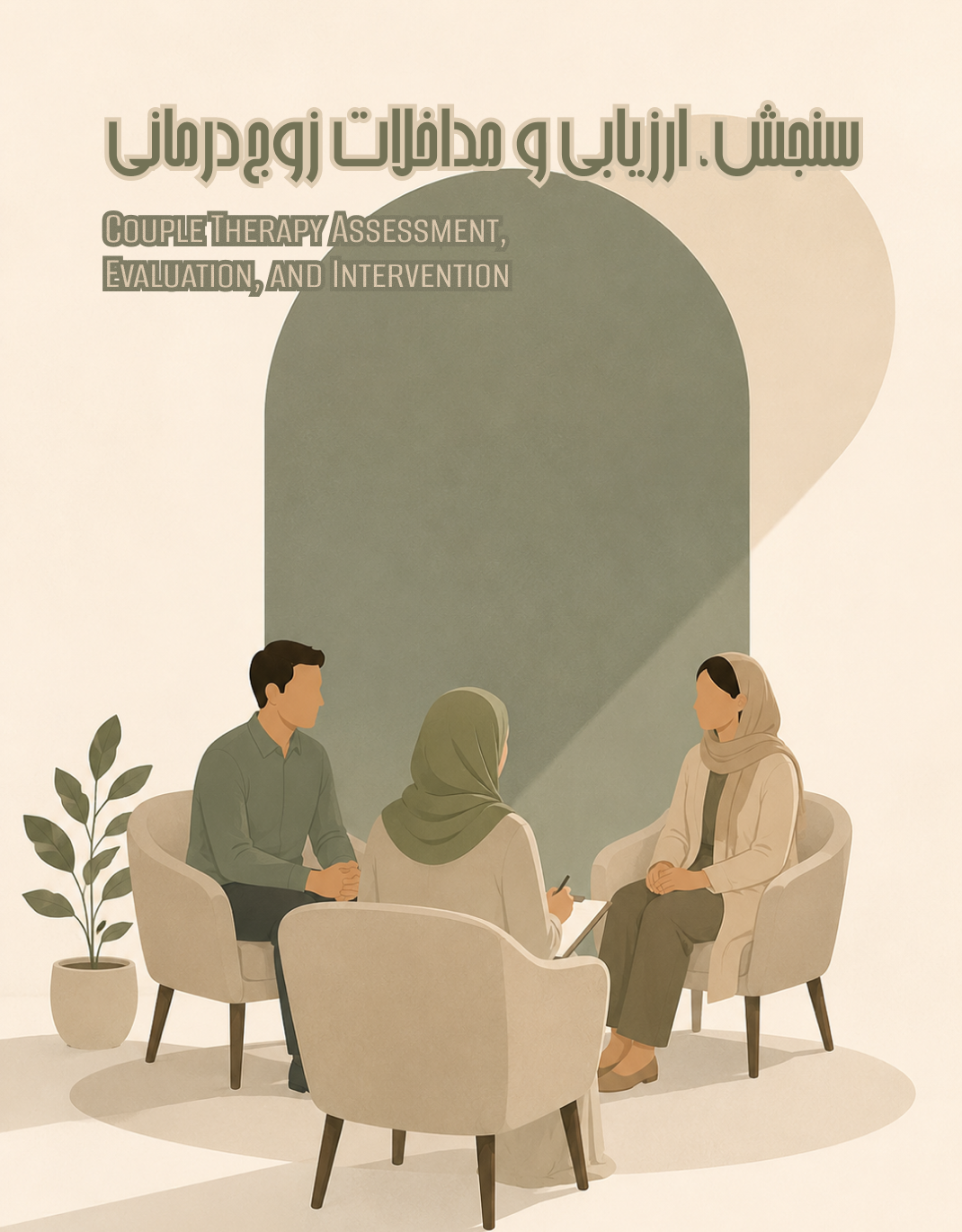
مقایسه اثربخشی الگوی مکمستر و زوجدرمانی هیجانمدار بر خودتنظیمی هیجانی، مهارتهای ارتباطی و کیفیت رابطه جنسی زنان متقاضی طلاق
کلمات کلیدی:
الگوی مکمستر, زوجدرمانی هیجانمدار, خودتنظیمی هیجانی, مهارتهای ارتباطی, کیفیت رابطه جنسی, زنان متقاضی طلاقچکیده
پژوهش حاضر با هدف مقایسه اثربخشی الگوی مکمستر و زوجدرمانی هیجانمدار بر خودتنظیمی هیجانی و مهارتهای ارتباطی زنان متقاضی طلاق مراجعهکننده به مراکز مشاوره شهر زنجان انجام شد. پژوهش حاضر کاربردی و از نوع نیمهآزمایشی با طرح پیشآزمون، پسآزمون و پیگیری همراه با دو گروه آزمایش و یک گروه کنترل بود. جامعه آماری شامل زنان متقاضی طلاق مراجعهکننده به مراکز مشاوره و خدمات روانشناختی شهر زنجان در سالهای ۱۴۰۳ و ۱۴۰۴ بود. تعداد ۶۰ زن با روش نمونهگیری چندمرحلهای انتخاب و بهصورت تصادفی در سه گروه ۲۰ نفری الگوی مکمستر، زوجدرمانی هیجانمدار و کنترل جایگزین شدند. دو گروه آزمایش ۱۰ جلسه ۹۰ دقیقهای مداخله دریافت کردند، درحالیکه گروه کنترل در فهرست انتظار قرار داشت. دادهها با استفاده از ابزارهای استاندارد سنجش تنظیم هیجان و مهارتهای ارتباطی گردآوری و با تحلیل واریانس آمیخته با اندازهگیری مکرر و آزمون تعقیبی بونفرونی در نرمافزار SPSS نسخه ۲۶ تحلیل شدند. اثر متقابل زمان و گروه بر مجموعه متغیرهای وابسته معنادار بود (Wilks’ Λ=0.246، F=18.76، p<0.001، η²p=0.40). اثر متقابل زمان و گروه برای خودتنظیمی هیجانی (F=27.41، p<0.001، η²p=0.49) و مهارتهای ارتباطی (F=30.22، p<0.001، η²p=0.52) معنادار بود. هر دو مداخله در مقایسه با گروه کنترل موجب بهبود معنادار خودتنظیمی هیجانی و مهارتهای ارتباطی شدند (p<0.001). همچنین، الگوی مکمستر در مقایسه با زوجدرمانی هیجانمدار در خودتنظیمی هیجانی (تفاوت میانگین=4.65، p=0.004) و مهارتهای ارتباطی (تفاوت میانگین=4.35، p=0.006) اثربخشی بیشتری نشان داد. هر دو رویکرد مکمستر و زوجدرمانی هیجانمدار میتوانند بهعنوان مداخلات مؤثر برای ارتقای خودتنظیمی هیجانی و مهارتهای ارتباطی زنان متقاضی طلاق مورد استفاده قرار گیرند؛ بااینحال، الگوی مکمستر در این دو پیامد اثربخشی بیشتری نشان داد و میتواند گزینهای مناسب برای مداخلات ساختاریافته در مراکز مشاوره خانواده باشد.
دانلودها
مراجع
Alirezaei, A., & Izady, R. (2025). Effectiveness of Acceptance and Commitment Couple Therapy on Marital Satisfaction, Marital Function and Obsessive Symptoms in Couples with Obsessive Compulsive Disorder. Shahroud Journal of Medical Sciences, 11(2), 8-15. https://doi.org/10.22100/ijhs.v11i2.1173
Beasley, C. C., & Ager, R. (2019). Emotionally Focused Couples Therapy: A Systematic Review of Its Effectiveness over the Past 19 Years. Journal of Evidence-Based Social Work, 16(2), 144-159. https://doi.org/10.1080/23761407.2018.1563013
Carr, A., Finneran, L., Boyd, C., Shirey, C., Canning, C., Stafford, O., Lyons, J., Cullen, K., Prendergast, C., Corbett, C., Drumm, C., & Burke, T. (2024). The Evidence-Base for Positive Psychology Interventions: A Mega-Analysis of Meta-Analyses. The Journal of Positive Psychology, 19(2), 191-205. https://doi.org/10.1080/17439760.2023.2168564
Colucci, L. (2026). Family Processes in the Year Following Brief and Virtual Emotion-Focused Family Therapy Groups: Child and Family Trajectories and Mental Health Service Utilization University of Waterloo].
Greenman, P. S., Campbell, T. L., & Allan, R. (2024). Attachment, Emotion, and Change: Emotionally Focused Individual Therapy (EFIT) within a Process-Based Therapy (PBT) Framework. Journal of Contextual Behavioral Science, 32, 100768. https://doi.org/10.1016/j.jcbs.2024.100768
Griffes, S. E., & Blow, A. (2024). Integrating Common Factors in Couple Therapy. In (pp. 99-118). Guilford Press.
Hertlein, K. M., & Washington, A. N. (2024). The State of Couple and Family Therapy Internationally. In (pp. 3-10). Routledge.
Joseph, B., Joseph, V. K., & Rajan, S. K. (2025). Effectiveness of Couple Interventions in Marital Distress: A Systematic Review and Meta-Analysis. Iranian Journal of Public Health, 54(1), 112-123. https://doi.org/10.18502/ijph.v54i1.17581
Lebow, J. L., & Carr, A. (2025). Systemic Therapy for Adults and Family Functioning Outcomes: A Systematic Review and Meta-Analysis.
Lebow, J. L., & Snyder, D. K. (2022). Couple Therapy in the 2020s: Current Status and Emerging Developments. Family Process, 61(4), 1359-1385. https://doi.org/10.1111/famp.12824
Lebow, J. L., & Snyder, D. K. (2024). Voices in Couple Therapy: Journeys with Master Clinicians. In (pp. 1-16). Guilford Press.
Lombana Mims, T. (2026). The Relationship between Obsessive-Compulsive Disorder Symptoms and Reading Abilities and the Moderating Roles of Parent-Teacher Involvement and Family Emotional Expressiveness University of the Pacific]. https://scholarlycommons.pacific.edu/uop_etds/4337
Mark, K. P., & Lasslo, J. A. (2018). Maintaining Sexual Desire in Long-Term Relationships: A Systematic Review and Conceptual Model. The Journal of Sex Research, 55(4-5), 563-581. https://doi.org/10.1080/00224499.2018.1437592
Rathgeber, M., Bürkner, P. C., Schiller, E. M., & Holling, H. (2019). The Efficacy of Emotionally Focused Couples Therapy and Behavioral Couples Therapy: A Meta-Analysis. Journal of marital and family therapy, 45, 447-463. https://doi.org/10.1111/jmft.12336
Reiter, M. D. (2024). An Introduction to Couple Therapy. In. Routledge. https://doi.org/10.4324/9781003369097-1
Spengler, P. M., Lee, N. A., Wiebe, S. A., & Wittenborn, A. K. (2024). A Comprehensive Meta-Analysis on the Efficacy of Emotionally Focused Couple Therapy. Couple and family psychology: Research and practice, 13(2), 81-99. https://doi.org/10.1037/cfp0000233
Velten, J., & Margraf, J. (2017). Satisfaction Guaranteed? How Individual, Partner, and Relationship Factors Impact Sexual Satisfaction within Partnerships. PLoS One, 12(2), e0172855. https://doi.org/10.1371/journal.pone.0172855
Wiebe, S. A., Elliott, C., Johnson, S. M., Burgess Moser, M., Dalgleish, T. L., Lafontaine, M. F., & Tasca, G. A. (2019). Attachment Change in Emotionally Focused Couple Therapy and Sexual Satisfaction Outcomes in a Two-Year Follow-Up Study. Journal of Couple & Relationship Therapy, 18(1), 1-21. https://doi.org/10.1080/15332691.2018.1481799
Wiebe, S. A., & Johnson, S. M. (2016). A Review of the Research in Emotionally Focused Therapy for Couples. Family Process, 55(3), 390-407. https://doi.org/10.1111/famp.12229
Wiebe, S. A., Johnson, S. M., Moser, M. B., Dalgleish, T. L., & Tasca, G. A. (2017). Predicting Follow-Up Outcomes in Emotionally Focused Couple Therapy: The Role of Change in Trust, Relationship-Specific Attachment, and Emotional Engagement. Journal of marital and family therapy, 43(2), 213-226. https://doi.org/10.1111/jmft.12199
Wright, R. N., Adcock, R. A., & LaBar, K. S. (2025). Learning Emotion Regulation: An Integrative Framework. Psychological review, 132(1), 173-203. https://doi.org/10.1037/rev0000506
دانلودها
گاهشمار انتشار
- ارسال
- بازنگری
- پذیرش
شماره
نوع مقاله
مجوز
حق نشر 2025 Zahra Parsinejad (Author); Vahideh Babakhani (Corresponding author); Fatemeh Alijani, Jafar Poyamanesh (Author)

این پروژه تحت مجوز بین المللی Creative Commons Attribution-NonCommercial 4.0 می باشد.